KNOWLEDGE & ANALYSIS

Blog

How Amateur Radio Operators Support Emergency Preparedness

How Amateur Radio Operators Support Emergency Preparedness

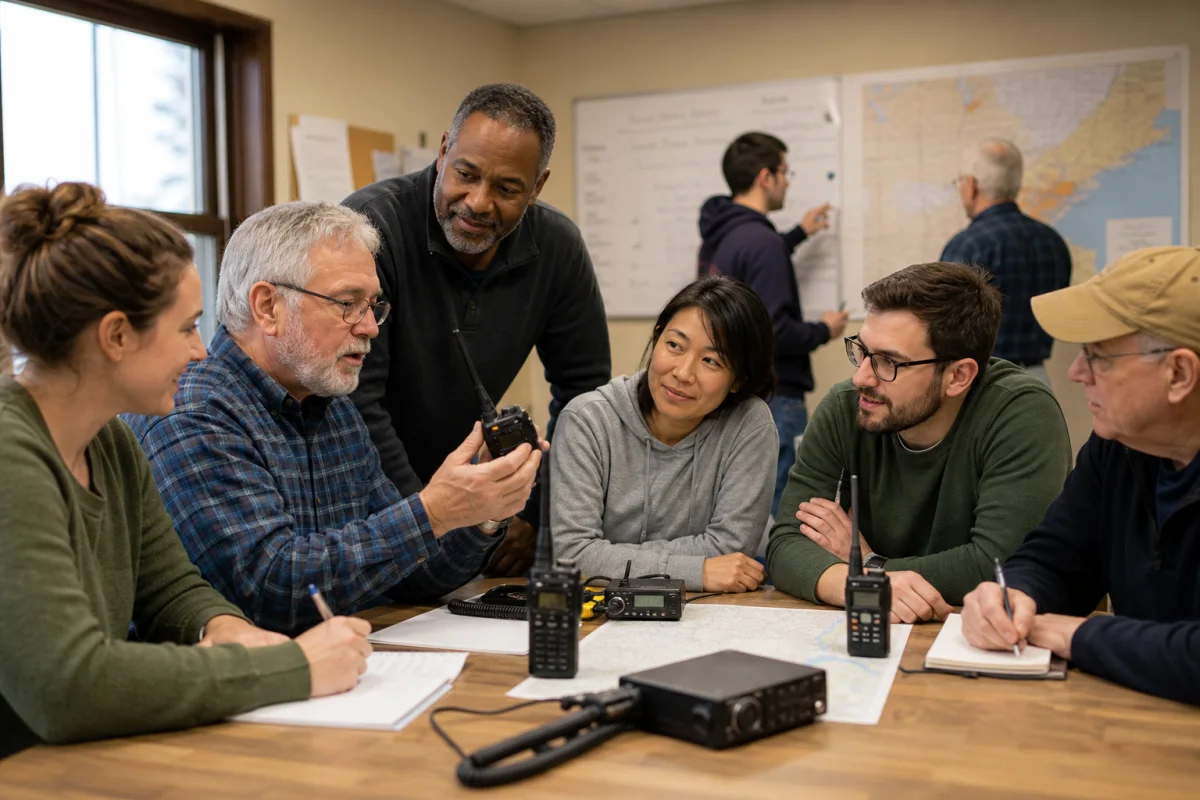
Amateur radio operators can strengthen public communication awareness through technical knowledge, regular training and a culture of volunteering. This does not replace official responders; it improves preparedness and education capacity.Explain knowledge clearlyHelp beginners develop habits in equipment checks, listening discipline, concise messages and written logging. Training should clearly explain regulatory limits and safe behaviour.Create reviewed contentAcademic and technical articles should use reliable sources, pass editorial review and avoid hidden advertising. Practical experience is most valuable when presented with verifiable information.

Review Details
Communication and Power Preparedness for Caravans

Communication and Power Preparedness for Caravans

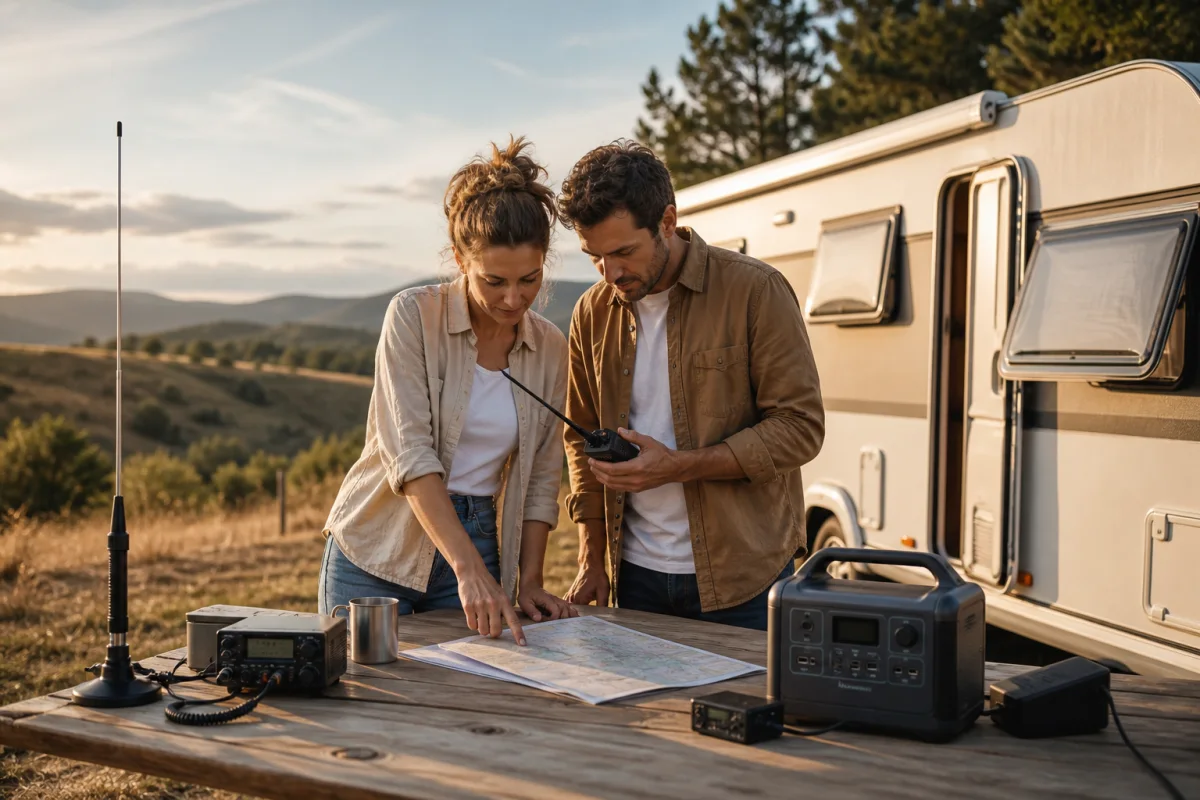
Mobile coverage, power availability and weather can change quickly on caravan routes. Treat communication planning together with route information, emergency contacts and backup power.Do not depend on one systemCarry a phone, suitable radio, broadcast receiver and printed emergency contacts. Share the travel plan with a trusted person and verify equipment conditions before departure.Test before the journeyCheck antenna, cabling and equipment mounts for vibration and weather exposure. Know the safe limits of batteries and portable power, and test every connection before travel.

Review Details
Safety and Planning for Vehicle Radio Installation

Safety and Planning for Vehicle Radio Installation

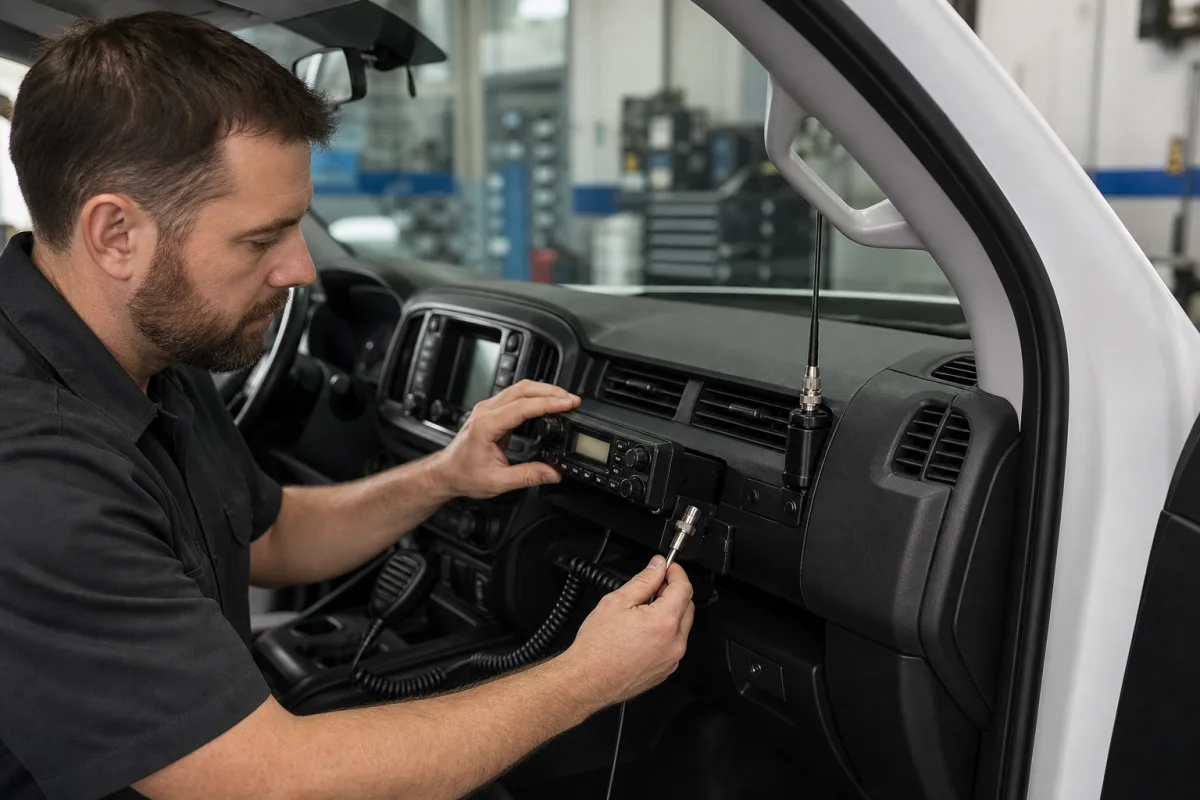
Vehicle radio installation involves more than fastening a device to the dashboard. Power wiring, fusing, cable routing, antenna position and driving safety must be considered together.Protect the electrical pathUse cable and fusing appropriate to the device ratings. Keep wiring away from hot, sharp or moving parts and outside airbag deployment zones.Measure the antenna systemSelect antenna type and position for the intended use. Do not test at high power before checking connections and antenna measurements. Experienced technical support provides a safer result.

Review Details
Backup Power Planning for Emergency Communication

Backup Power Planning for Emergency Communication

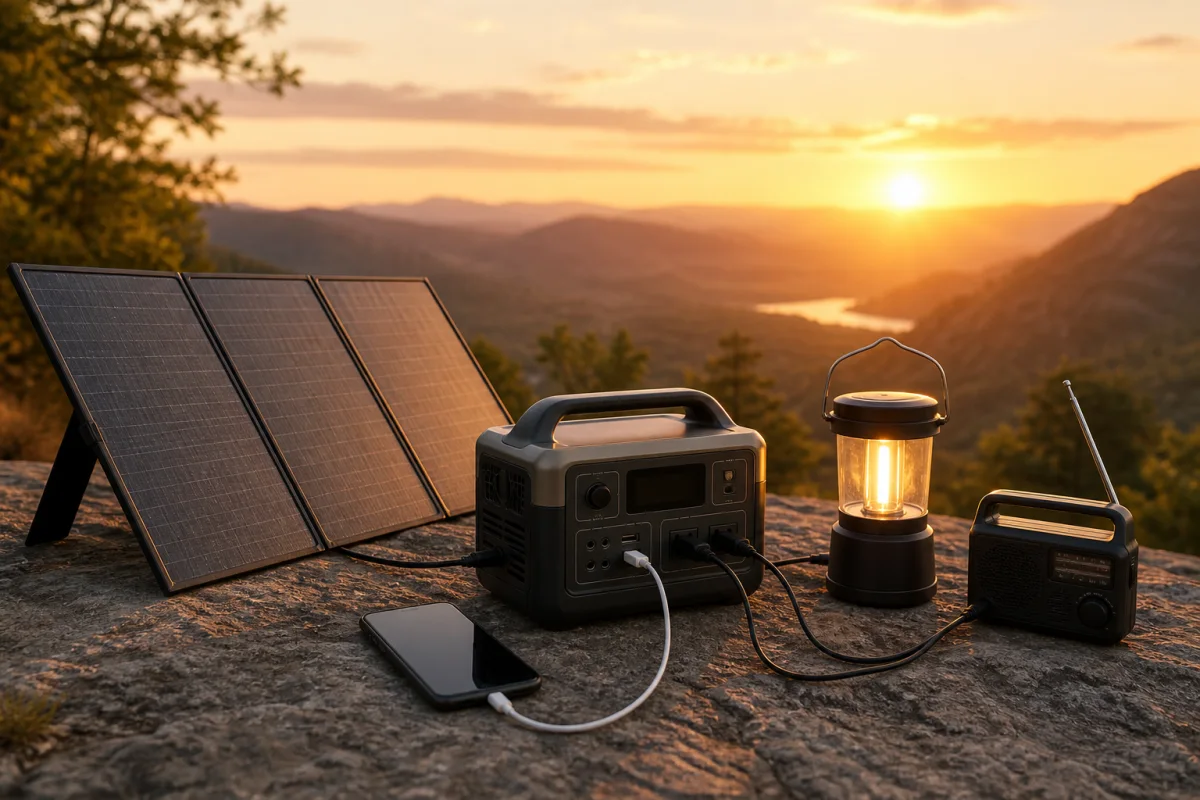
The purpose of backup power planning is not to keep every device running continuously, but to preserve essential communication and lighting for as long as practical. Begin by identifying truly critical equipment.Build an energy budgetWrite down the approximate consumption and daily operating time of phones, radios and lighting. A power bank can cover smaller short-term loads, while a portable power station may serve larger loads within its rated capacity.Do not overestimate solar outputSolar production depends on weather, shade, angle and temperature. Test the system with real loads, label cables and remain within manufacturer safety instructions.

Review Details
How to Build an Emergency Bag Checklist

How to Build an Emergency Bag Checklist

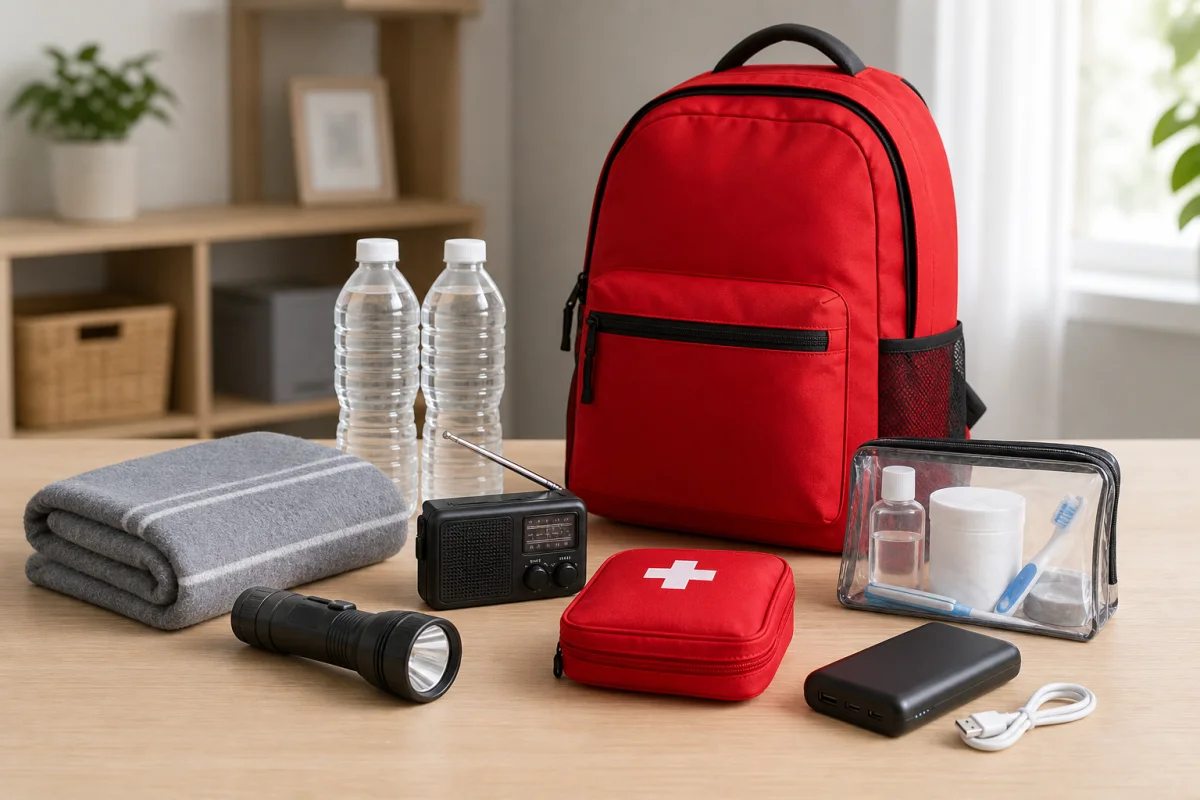
An emergency bag is not a package prepared once and forgotten. Its contents should be renewed according to the age, health, season and daily needs of the household.Group the suppliesReview water, shelf-stable food, regular medication, first aid, lighting, radio, backup power, document copies, hygiene and clothing under separate headings. Every family member should understand the purpose of key items.Test by operatingDo not inspect the torch, radio, power bank and radio batteries only by sight. Turn devices on, track expiry dates in writing and store the bag in a safe, accessible place.

Review Details
Responsible Use of PMR446 Radios

Responsible Use of PMR446 Radios

PMR446 radios may be used for short-range communication by families, teams and outdoor groups. Shared channels mean conversations are not private and disciplined use is important.Do not occupy the channelAvoid long conversations and unnecessary transmissions, leaving room for important messages from other users. Tones such as CTCSS do not provide privacy; they only help decide which transmissions open the receiver audio.Assess range in real conditionsBuildings, terrain, antenna position and interference change practical range. Test briefly in the intended area instead of relying only on ideal catalogue figures, and maintain an alternative communication plan.

Review Details
Beginner’s Guide to Handheld Radios

Beginner’s Guide to Handheld Radios

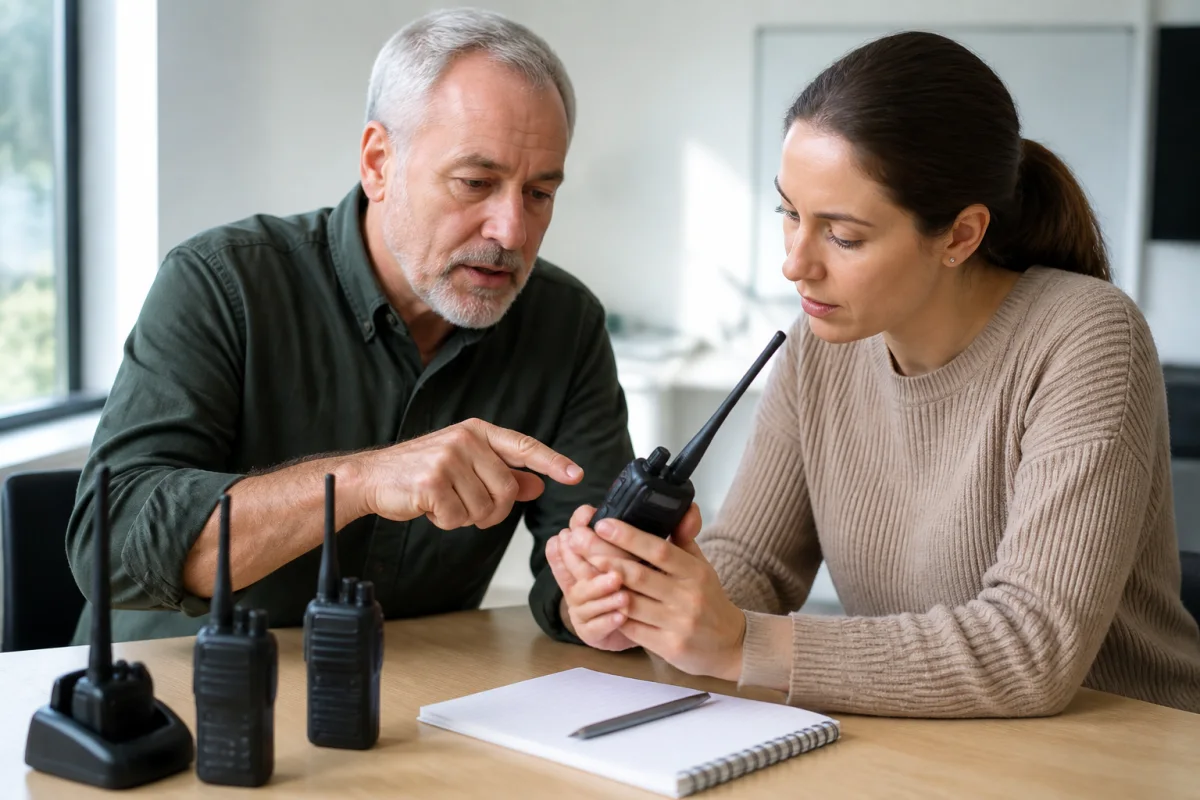
Using a handheld radio safely involves more than knowing the power button. Check the battery, antenna, volume, channel selection, keypad lock and push-to-talk control before training.Listen firstBefore transmitting, listen to determine whether the channel is in use. Shorten the message in your mind, pause briefly after pressing push-to-talk and speak clearly.Know the device limitsNot every radio may be used on every frequency. Verify technical compliance and current legal conditions through official sources, and do not change unfamiliar menu settings at random.

Review Details
How to Create a Family Emergency Communication Plan

How to Create a Family Emergency Communication Plan

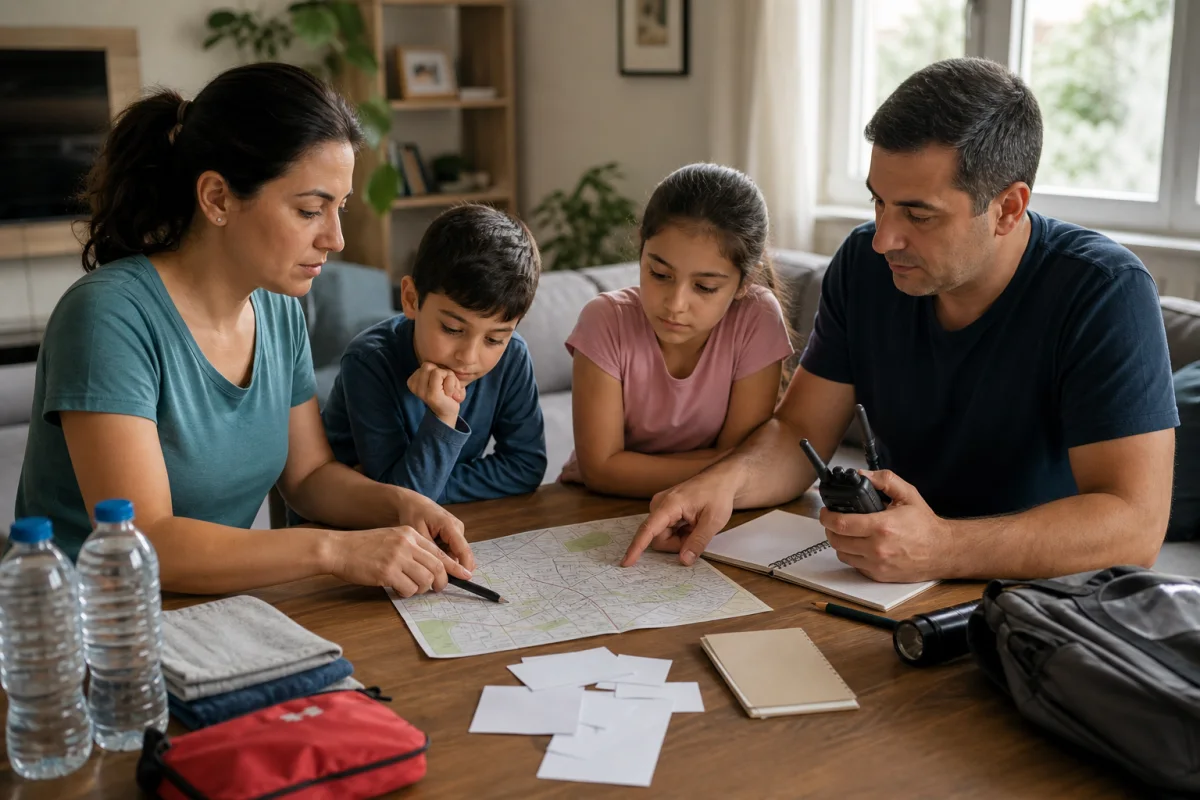
An emergency communication plan defines how family members will communicate and where they will meet when phone or internet services are unavailable. Its purpose is to follow simple decisions made in advance rather than inventing a plan under stress.Choose two meeting pointsSelect one safe place near home and an alternative outside the neighbourhood. Verify the official assembly area through current sources and discuss the route for each family member.Create a contact cardChoose one local and one out-of-area contact. Carry phone numbers, essential medical information and meeting points on a printed card. Practise the plan periodically and update every change.

Review Details
Call Now
WhatsApp Support