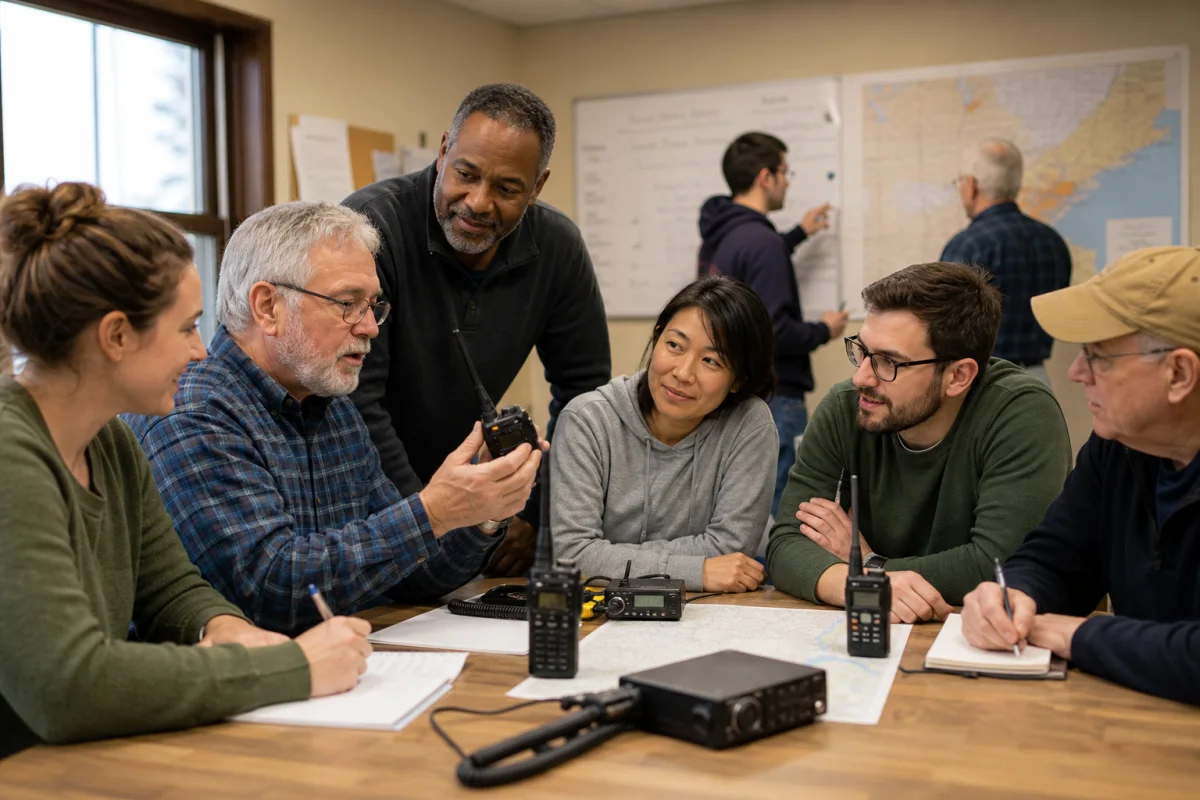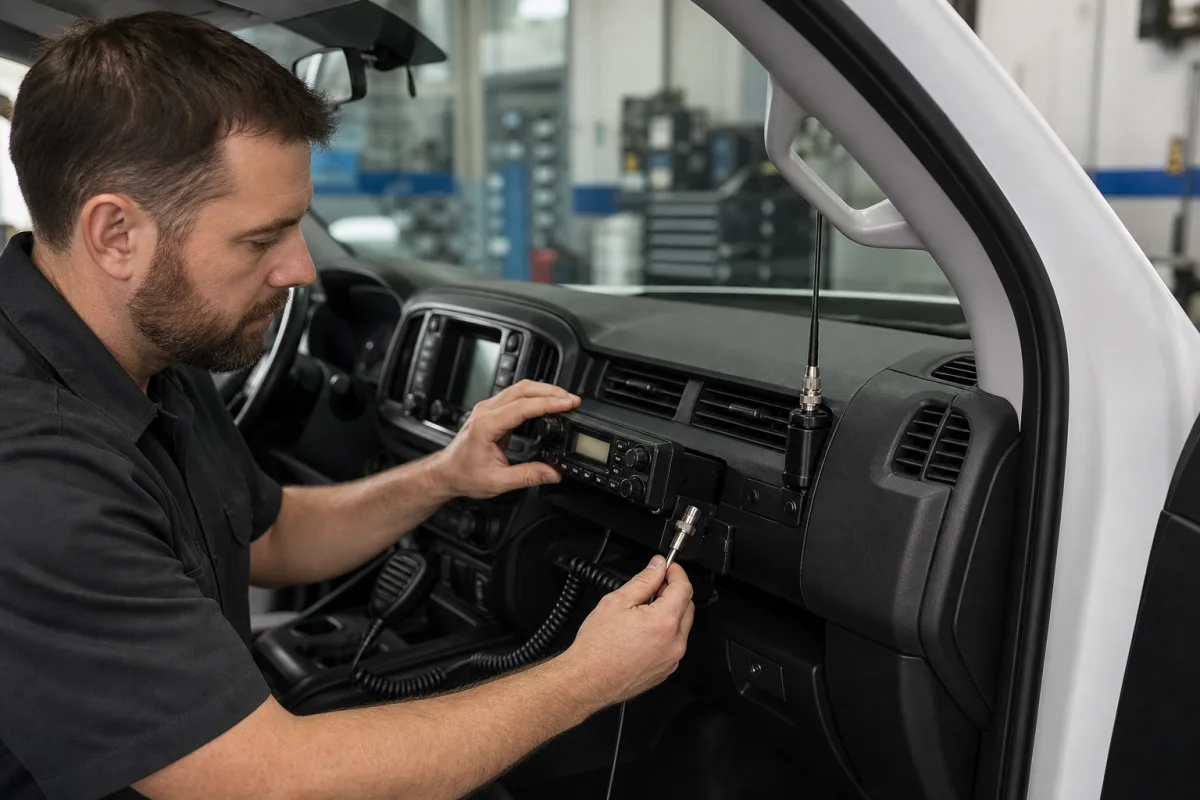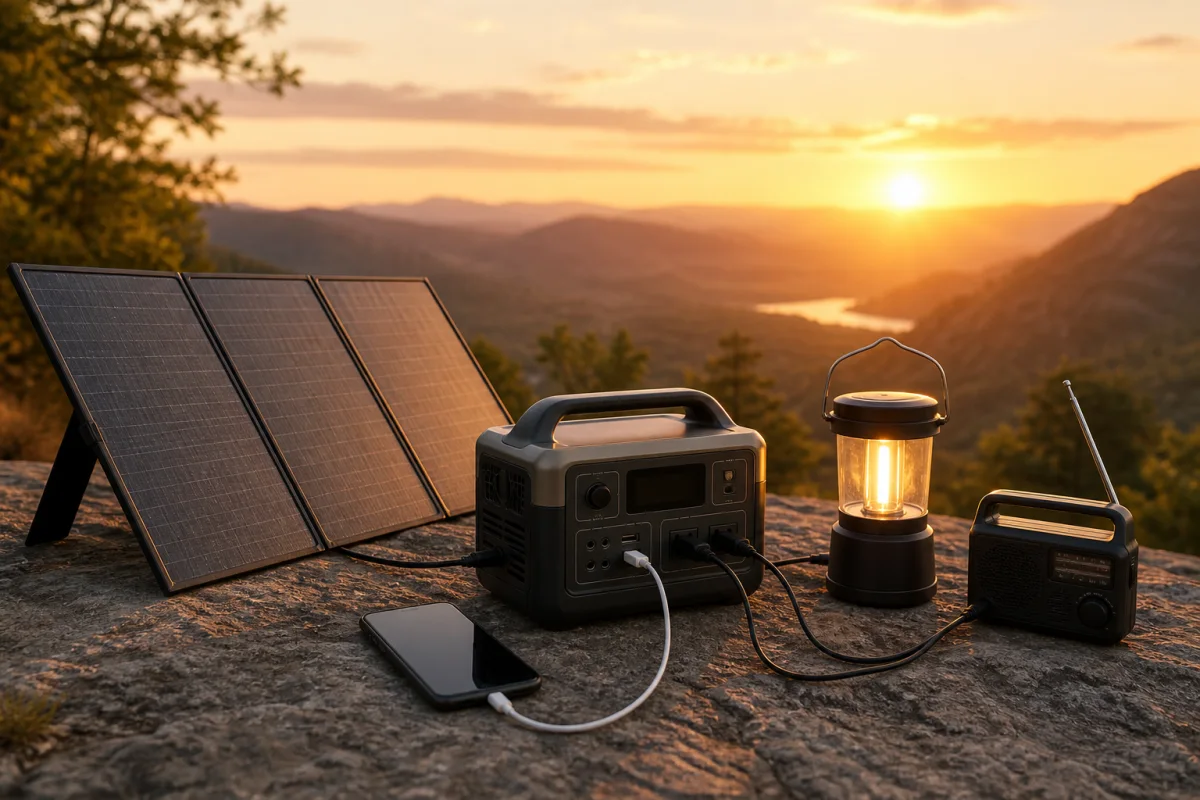
The purpose of backup power planning is not to keep every device running continuously, but to preserve essential communication and lighting for as long as practical. Begin by identifying truly critical equipment.
Build an energy budget
Write down the approximate consumption and daily operating time of phones, radios and lighting. A power bank can cover smaller short-term loads, while a portable power station may serve larger loads within its rated capacity.
Do not overestimate solar output
Solar production depends on weather, shade, angle and temperature. Test the system with real loads, label cables and remain within manufacturer safety instructions.